
If your skin suddenly feels dry, tight, irritated, or more sensitive than usual, your skin barrier may be trying to tell you something.
Meet ceramides: the naturally occurring lipids that help your skin hold onto moisture, stay resilient, and keep outside stressors where they belong.
So, what exactly are ceramides?
Ceramides are a type of lipid, or fat, naturally found in the outermost layer of your skin. They make up an important part of the skin barrier, helping create the protective layer that keeps moisture in and unwanted irritants out.
Basically, ceramides aren't some random skincare trend your algorithm decided you needed. Your skin already has them.
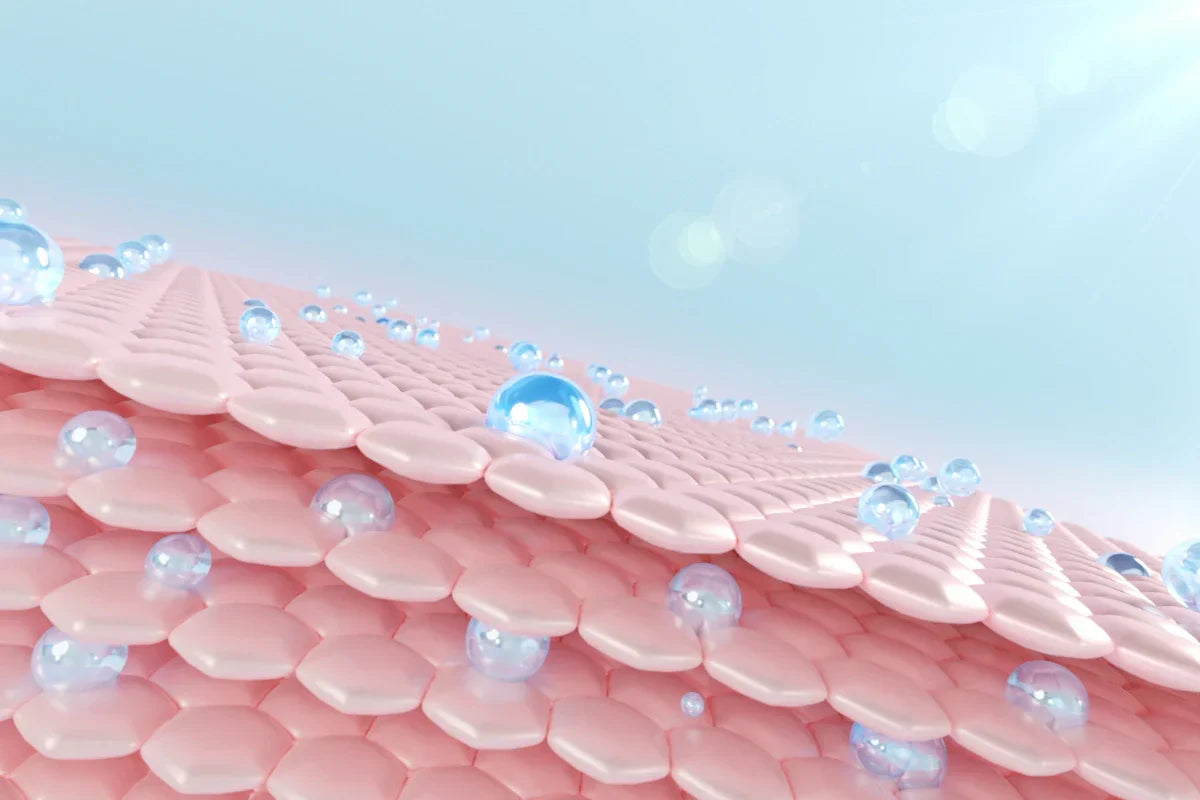
Think of your skin barrier like a brick wall.
Your skin cells are the bricks, while lipids such as ceramides help form the mortar that keeps the structure intact.
Why are ceramides so important for your skin barrier?
A healthy skin barrier helps prevent too much water from escaping while shielding your skin from everyday environmental stressors.
When that barrier becomes disrupted, your skin may have a harder time holding onto hydration. Suddenly your moisturizer doesn't seem moisturizing enough, products you've used forever start to sting, or your face simply feels... angry.
If your skin feels irritated, the answer isn't always another active. Sometimes your skin is asking you to calm down and support the barrier.
What can mess with your skin barrier?
Your skin is resilient, but even a good thing can become too much. Overdoing your routine is one of the easiest ways to end up with skin that feels stressed.
Over-exfoliating
Using exfoliating acids, scrubs, retinoids, or other strong actives too frequently can leave your skin feeling irritated, flaky, or unusually sensitive.
Using harsh cleansers
Your cleanser should leave your face feeling clean — not like every drop of moisture has been vacuumed out of it. That extremely tight, squeaky-clean feeling isn't the goal.
Layering too many actives
More skincare doesn't automatically mean better skin. Combining several strong ingredients at once can be especially challenging for sensitive or breakout-prone skin.
Weather + environment
Cold weather, dry air, indoor heating, sun exposure, and other environmental factors can all affect the way your skin feels and how well it retains moisture.
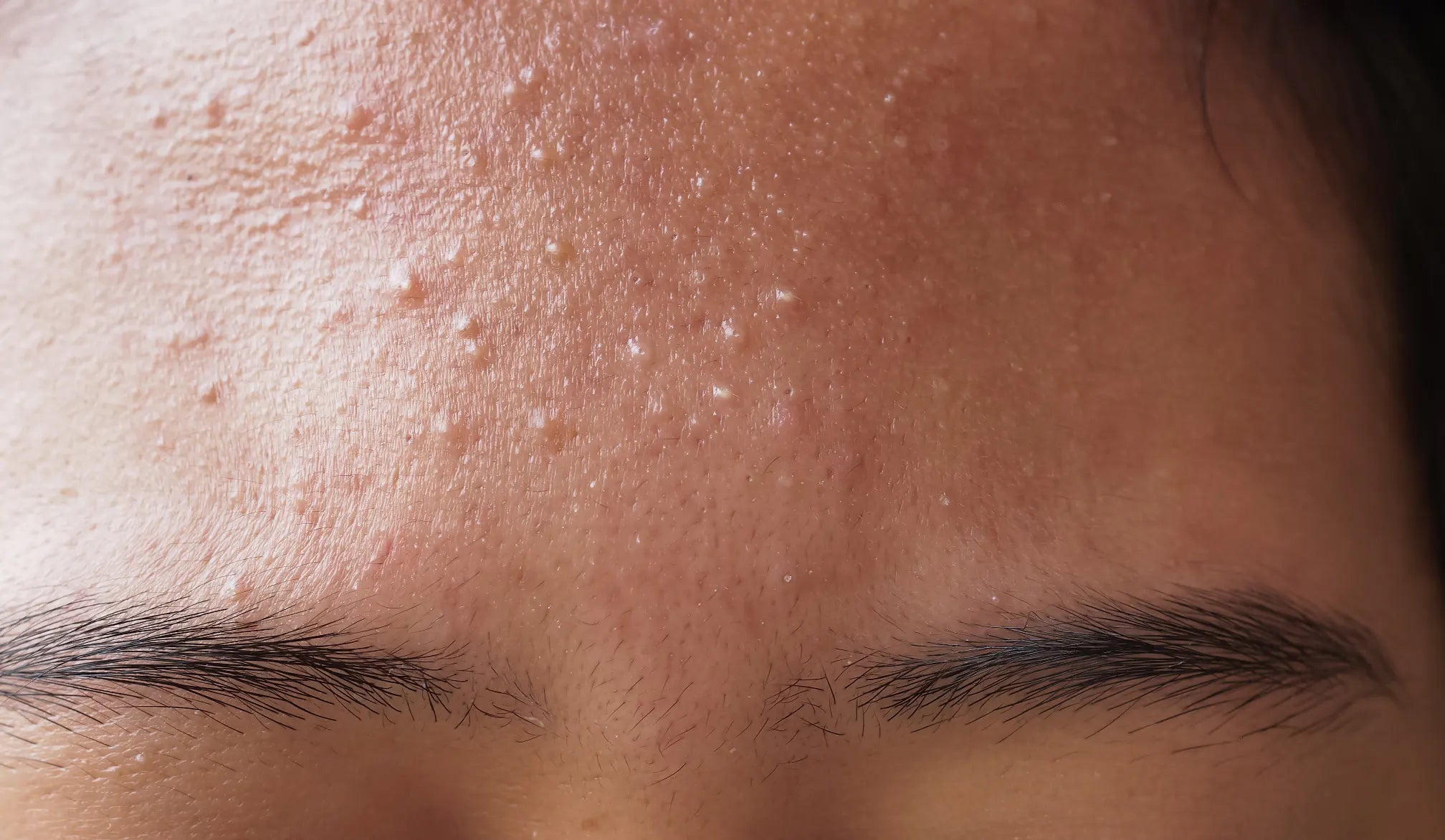
Signs your skin barrier might need a little extra love
Are ceramides good for acne-prone skin?
Acne-prone skin still needs a healthy skin barrier.
In fact, some products commonly used in breakout routines can be drying or irritating. That's why adding hydration and barrier-supporting ingredients can be especially helpful when you're also using stronger acne-focused ingredients.
And no, barrier care doesn't automatically mean coating your face in an ultra-thick cream. Lightweight formulas can still help support hydration without leaving your skin feeling heavy or greasy.
Ceramides vs. hyaluronic acid vs. niacinamide
These ingredients get grouped together a lot, but they don't all play the same role.
Ceramides
Lipids that help support the structure of your skin barrier and keep moisture from escaping too easily.
Hyaluronic Acid
A humectant that attracts and holds onto water, helping skin feel hydrated and plump.
Niacinamide
A form of vitamin B3 commonly used in formulas designed to support the skin barrier and improve the appearance of uneven tone and excess oil.
You don't necessarily have to choose one. A well-rounded routine can include different ingredients that help attract hydration, soften the skin, and support the barrier in different ways.
How to build a barrier-friendly skincare routine
Cleanse gently
Remove sunscreen, makeup, oil, and everyday buildup without leaving your face feeling stripped.
Add hydration
If your skin feels dehydrated, look for hydrating ingredients such as glycerin, hyaluronic acid, panthenol, beta-glucan, tremella, or polyglutamic acid.
Support your barrier
Add a serum or moisturizer with barrier-supporting ingredients such as ceramides, particularly if your routine includes active ingredients.
Moisturize
Moisturizer helps seal hydration into the skin. Choose the texture that works for you — lightweight gel-cream, richer cream, or somewhere in between.
Don't forget SPF
Finish your morning routine with sunscreen to help protect your skin from UV exposure.
Should you stop using actives if your barrier feels damaged?
If your skin feels extremely irritated, temporarily simplifying your routine can make sense. That might mean cutting back on exfoliating acids, retinoids, or other ingredients that tend to trigger irritation for you.
Cleanse. Hydrate. Moisturize. Protect. Your 12-step routine will survive the break.
How long does it take to support a damaged skin barrier?
There's no universal countdown. How quickly your skin feels normal again depends on what caused the irritation, how severe it is, and what you use afterward.
One common mistake is seeing a little improvement and immediately reintroducing every active at once. Give your skin some time, then bring stronger products back gradually.

Barrier support meets breakout care.
Smood's Super Cera Clarifying Barrier Serum pairs a ceramide complex containing Ceramides NP, AP & EOP with 2% salicylic acid, plus hydrating and soothing ingredients including glycerin, aloe, panthenol, and vitamin E.
Translation? It's designed for breakout-prone skin that still wants barrier support.
Shop Super CeraDo you actually need ceramides?
Ceramides are a great ingredient to look for when supporting the skin barrier, but they're not the only piece of the puzzle.
A thoughtful routine can also include humectants, emollients, fatty acids, antioxidants, and soothing ingredients. And remember: a product doesn't automatically become amazing just because the word ceramide appears somewhere on the ingredient list.
The full formula — and how your skin responds to it — matters.
The bottom line.
Ceramides are naturally occurring lipids that play an important role in your skin barrier and its ability to hold onto moisture.
If your skin is feeling dry, tight, irritated, or unusually sensitive, piling on another aggressive active isn't always the answer.
Keep things gentle. Stay consistent. Give your barrier some love.
Sometimes your skin isn't asking for more.It's asking you to do less.

Leave a comment
This site is protected by hCaptcha and the hCaptcha Privacy Policy and Terms of Service apply.