

Betaine Salicylate vs Salicylic Acid: A Gentler BHA
Quick answer: Betaine salicylate and salicylic acid are both oil-loving BHAs that get into your pores and loosen the gunk that turns into blackheads and breakouts. The difference is gentleness. Betaine salicylate releases its active more slowly and sits at a friendlier pH, so sensitive, acne-prone skin tends to tolerate it far better than straight salicylic acid.
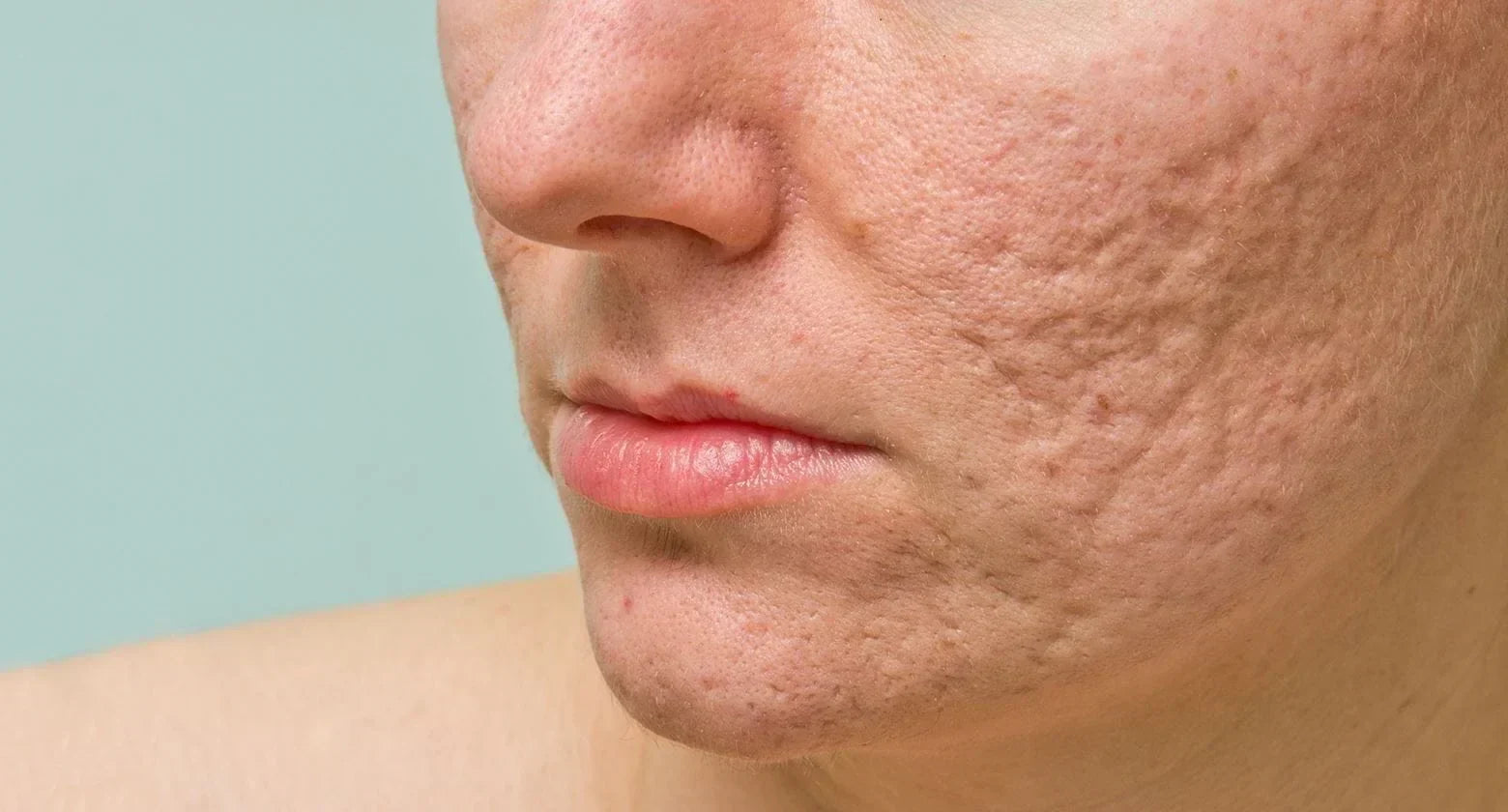
If you've ever tried a salicylic acid product and ended up with red, stinging, flaky skin that somehow broke out more, you're not imagining it. The acid was probably doing its job a little too aggressively for your barrier. That's exactly the gap betaine salicylate was made to fill, and it's why we built it into our cleanser instead of reaching for the usual BHA.
First, what is a BHA actually doing in your pores?
Beta hydroxy acids are oil-soluble. That single property is the whole reason they matter for acne. Your pores are lined with sebum, and a clog is basically a plug of oil mixed with dead skin cells. Water-based exfoliants like glycolic acid (an AHA) work beautifully on the surface, but they don't mix with oil, so they can't really get inside a pore. A BHA can. It dissolves into the sebum, travels down into the follicle, and helps break up the sticky bonds holding dead cells together so the plug can clear.
Salicylic acid is the BHA almost everyone knows. It's effective, it's well studied, and at the right strength it's genuinely useful. The catch is that it can be harsh on skin that's already reactive, and a lot of acne-prone skin is reactive precisely because it's been over-treated.
The chemistry: why betaine salicylate is the gentler cousin
Here's the part that ingredient nerds will appreciate. Betaine salicylate is salicylic acid that's been paired with betaine, a calming amino acid derivative your skin already recognizes. Think of it as salicylic acid wearing a soft coat.
Two things make it gentler in practice:
- Slower, steadier release. Betaine salicylate doesn't dump all its acid activity on your skin at once. It releases salicylic acid more gradually, so you get the pore-clearing benefit without the sharp spike of irritation that makes skin sting and flake.
- A friendlier pH. Pure salicylic acid usually needs a low, acidic pH (often around 3 to 3.5) to work well, and that low pH is part of what stresses a sensitive barrier. Betaine salicylate stays effective at a pH closer to your skin's own comfort zone, so it's less likely to leave you tight and raw.
A common rule of thumb in K-beauty formulation is that 4% betaine salicylate behaves roughly like 2% salicylic acid in terms of exfoliating power, but with noticeably less irritation. So you're not trading away results. You're getting similar clearing with a lot less collateral damage to your barrier.

Why gentler often beats stronger for acne-prone skin
This is the bit that trips people up. It feels logical that a stronger acid should clear breakouts faster. But your skin barrier is the thing keeping water in and irritants out, and when you strip it with a harsh exfoliant, a few things happen. Your skin loses water and gets dehydrated. It often responds by pumping out more oil to compensate. And a compromised barrier is more prone to inflammation, which is the engine behind most breakouts in the first place.
So the harsh-acid route can quietly send you in a loop: exfoliate hard, irritate the barrier, break out, exfoliate harder. A gentler BHA lets you keep up consistent, regular exfoliation (which is what actually keeps pores clear over time) without pushing your skin into that reactive state. Consistency beats intensity here, almost every time.
That's the thinking behind our Calm Me Down Antioxidant Cleanser. It uses 4% betaine salicylate so it can get into pores during the short time it's on your face, then rinses clean. We paired it with centella, oat, and green tea, antioxidants and soothing agents that help offset any exfoliating stress rather than add to it. You get the BHA benefit in a step you're already doing, without a separate high-strength acid that your skin might revolt against.

How to use it without overdoing it
A BHA in a cleanser is forgiving because it's a rinse-off, but a few habits make a real difference:

- Don't stack it with three other acids. If you're using a betaine salicylate cleanser, you usually don't need a separate salicylic toner and a glycolic peel on top. Pick your spots.
- Give it contact time, not friction. Let the cleanser sit on damp skin for 30 to 60 seconds so the BHA can work, then rinse. Scrubbing harder doesn't exfoliate better, it just irritates.
- Always follow with hydration and barrier support. Exfoliating acids work best when the skin underneath is well hydrated and its barrier is intact.
That last point matters more than people think. After you clear and refine pores, you want to refill the skin with water and barrier lipids. Our Problem Solver Gel-Cream Moisturizer is built for exactly this follow-up step, with six molecular weights of hyaluronic acid for layered hydration, 4% niacinamide to help regulate oil and calm redness, and ceramides to support the barrier you just exfoliated. Used together, the cleanser does the clearing and the moisturizer does the repairing. If you want both in one go, the Smood Experience Kit pairs them.
So which one should you reach for?
If your skin is resilient and you've used salicylic acid happily for years, there's no reason to abandon it. It works. But if you're acne-prone and sensitive, if salicylic acid has burned you before, or if your skin tends to get tight, red, and flaky when you exfoliate, betaine salicylate is the smarter starting point. Same family, same oil-soluble pore access, much gentler delivery. For most reactive skin, that trade is well worth making.
Frequently asked questions
Is betaine salicylate just a weaker salicylic acid?
Not weaker, slower. It still delivers salicylic acid into your pores, but it releases it more gradually and works at a gentler pH. The exfoliating result is comparable, the irritation is usually much lower. Weaker would mean less effective. This is more about how the active is delivered.
Can I use it every day?
In a rinse-off cleanser, most people can use betaine salicylate daily because the contact time is short. If your skin feels tight or looks flaky, drop to every other day and make sure you're moisturizing well afterward. Let your skin set the pace.
Does betaine salicylate help with fungal acne and closed comedones?
It can support clearer pores, which is relevant for closed comedones, since the BHA helps loosen the dead cells and oil that block follicles. Fungal acne (malassezia) is a different mechanism, so a BHA isn't a targeted fix there, though keeping pores and oil in check generally helps the skin environment.
Can I layer it with niacinamide or retinoids?
Yes. Betaine salicylate pairs nicely with niacinamide, which helps calm and regulate oil. If you use a retinoid, keep your acids gentle (a betaine salicylate cleanser is a sensible choice) and don't introduce both at full intensity at the same time. Space them out while your skin adjusts.
Will it dry out my skin like other acne products?
It's less likely to, because the gentler delivery and friendlier pH put less stress on your barrier. Any exfoliant can be drying if you overuse it, so the move is to keep usage reasonable and always follow with a hydrating, barrier-supporting moisturizer.

Leave a comment
This site is protected by hCaptcha and the hCaptcha Privacy Policy and Terms of Service apply.